Destination wedding guest experience tips cover the practical travel preparation, social etiquette, and cultural engagement that turn a complicated trip into a genuinely memorable celebration. Attending a destination wedding is a significant commitment. Typical guest costs range from $1,500 to $4,500 covering flights, accommodation, meals, and gifts across a trip that usually spans three days. That investment deserves careful planning. Guests who arrive prepared, behave thoughtfully, and engage fully with the programme contribute to a better atmosphere for everyone, including the couple.
1. Destination wedding guest experience tips: start with practical travel preparation
Preparation is the single biggest factor separating a smooth destination wedding trip from a stressful one. Book flights and accommodation as soon as you receive your invitation. Couples often negotiate group rates at nearby hotels, and those blocks fill quickly.
Travel documents require attention well before departure. Check passport expiry dates at least six months before travel, and research visa requirements for the destination country. For weddings in Spain, for example, UK guests currently travel visa-free but must carry a valid passport.
-
Book flights and accommodation within two weeks of confirming attendance
-
Check passport validity and any entry requirements for the destination
-
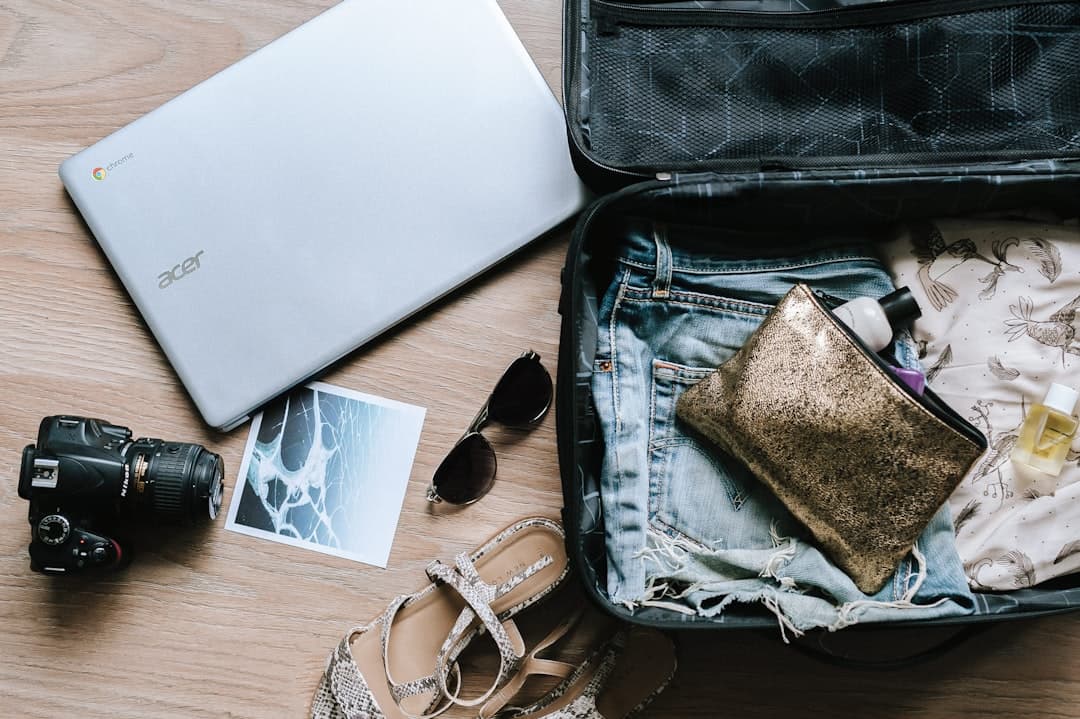
Pack your wedding-day outfit in carry-on luggage, never in checked bags
-
Bring a compact garment bag and a wrinkle-release spray for delicate fabrics
-
Set a realistic trip budget covering flights, accommodation, meals, gifts, and activities
Travel experts advise packing wedding-day outfits in carry-on luggage to avoid lost baggage disasters. Hotel irons are often unreliable for delicate fabrics, so a wrinkle-release spray is a practical addition to your bag.
Pro Tip: Pack a small emergency kit in your carry-on: safety pins, a stain-removal pen, blister plasters, and paracetamol. These items are hard to source quickly in an unfamiliar location.
2. Arrive early to beat jet lag and travel delays
Guest should arrive at least one full day before wedding events begin to mitigate jet lag and absorb any travel delays. For time-zone shifts of six hours or more, arriving two days early is the recommended standard. Arriving exhausted and disoriented is one of the most common guest pitfalls at destination weddings.
An early arrival also gives you time to collect your welcome bag, review the event itinerary, and settle into the venue or hotel before the social programme begins. Dragonflydreamweddings, for instance, provides guests with a printed itinerary and curated welcome items so that everyone knows exactly where to be and when. That kind of preparation from the couple’s side only works if guests arrive in time to benefit from it.
Use your buffer day to rest, explore the local area at a gentle pace, and connect with other guests informally. The relationships you build before the ceremony make the celebration itself feel far more connected.
3. Guest etiquette for destination weddings: RSVP and gift norms
Etiquette for destination weddings differs from standard wedding etiquette in several important ways. RSVP in a week of receiving the invitation. Couples planning destination weddings work with tight logistical windows, and late responses create real problems for catering, seating, and transport bookings.
Gift expectations are also adjusted at destination weddings. The accepted norm is a small, meaningful gift of $50–$150 or a cash contribution, since your travel costs are already a substantial gesture. Large expensive gifts are widely understood to be unnecessary under the social contract of destination weddings.
“Guests who treat the trip as a shared community experience, rather than a solo holiday, consistently contribute to a better atmosphere for the whole group.”
Additional etiquette points worth following:
-
Respond to the RSVP by the stated deadline, not after it
-
Adhere strictly to the dress code, which may reflect local climate or cultural customs
-
Arrive punctually for all scheduled events, including the welcome dinner and farewell brunch
-
Stay for the duration of events unless you have communicated a departure time in advance
-
Respect local customs, particularly at religious or culturally significant ceremony venues
4. How to navigate logistics and transfers at a destination wedding
Logistics at a destination wedding are more complex than at a local event. Group transportation provided by the couple covers airport transfers, hotel-to-venue journeys, and late-night returns. Use it. Guests unfamiliar with local transit should avoid navigating independently, particularly at night.
Follow these steps to manage transfers without stress:
-
Confirm your arrival and departure times with the couple’s guest liaison as soon as you book travel
-
Save the guest WhatsApp group or communication channel to your phone before you leave home
-
Note the hotel address, venue address, and emergency contact numbers in a printed format as a backup
-
Board group transport at the stated time, not five minutes after it
-
For independent excursions, use licensed local taxis or pre-booked car hire rather than unmarked vehicles
Communication is the key to smooth logistics. Most well-organised destination weddings use a WhatsApp group or a dedicated guest liaison to share real-time updates. Check it regularly and respond promptly to any requests for confirmation.
Pro Tip: Screenshot all key addresses, transport times, and emergency contacts on your phone. Mobile data can be unreliable in rural or coastal venues, and a screenshot works offline.
5. Engaging with local culture and group activities
Fully engaging with the local culture is one of the most rewarding aspects of attending a destination wedding. Couples choose specific locations for a reason, and the surrounding culture, food, and landscape are part of the experience they want to share with you.
-
Join all planned group outings, even if you feel tired. These shared moments often become the most talked-about memories
-
Learn a few words of the local language as a gesture of respect, particularly greetings and thank-you phrases
-
Try local food and drink at every opportunity, including at the welcome dinner and any organised excursions
-
Build connections with other guests through shared activities rather than staying within your existing friendship group
-
Balance participation with genuine rest. One afternoon of quiet time mid-trip prevents energy crashes on the wedding day itself
Dress codes enhance mutual appreciation and raise the quality of the overall wedding experience. This is not simply good manners. It signals to the couple that you value the thought they put into their chosen location.
For weddings in Andalusia, that means embracing the pace of the region, the warmth of the evenings, and the quality of the local cuisine. Dragonfly dream weddings builds curated local experiences into its three-day wedding packages so that guests leave with a genuine sense of place, not just a wedding memory.
6. What to pack for a destination wedding: a practical checklist
Packing well removes a significant source of stress from the trip. The climate at your destination determines most of your choices, but certain items belong in every destination wedding bag regardless of location.
Formalwear travels best in a dedicated garment bag carried in the cabin. Shoes for the ceremony should be worn in before you travel to avoid blisters on the day. Sunscreen, insect repellent, and a compact umbrella cover the most common weather-related surprises at outdoor venues.
Welcome bags at well-organised weddings often include practical travel items. Well-curated welcome bags contain items such as water, sunscreen, insect repellent, and printed itineraries, costing the couple roughly $25–$45. These solve immediate needs, but you should not rely on them entirely. Pack your own essentials and treat the welcome bag as a bonus.
Medications, phone chargers, and travel adapters belong in your carry-on, not your checked luggage. A small crossbody bag for the wedding day itself keeps your hands free during the ceremony and reception.
7. Managing your energy across a multi-day celebration
A destination wedding typically runs across three days, covering a welcome dinner, the ceremony and reception, and a farewell brunch. That is a significant social and physical commitment, particularly when combined with travel fatigue.
Pace yourself from the first evening. The welcome dinner sets the tone for the trip, but it is not the main event. Save your energy for the wedding day itself, which will be the longest and most emotionally intense day of the programme.
Maintaining a positive, flexible attitude throughout the trip directly affects the atmosphere for the whole group. Guests who adapt cheerfully to minor changes in schedule or unexpected weather contribute to a resilient, enjoyable group dynamic. The couple will notice, and so will everyone else.
Eat properly, stay hydrated, and sleep when you can. These are not glamorous pieces of advice, but they are the ones that most often get ignored. A guest who arrives at the ceremony rested and well-fed is a far better presence than one running on two hours of sleep and a strong coffee.
Key takeaways
The most effective destination wedding guest experience combines early preparation, strict etiquette, reliable logistics, and genuine cultural engagement to benefit both guests and the couple.
| Point | Details |
|---|---|
| Book and prepare early | Confirm travel, accommodation, and documents as soon as you RSVP to avoid last-minute stress. |
| Pack formalwear in carry-on | Never check your wedding outfit; use a garment bag and wrinkle-release spray. |
| RSVP within two weeks | Late responses disrupt catering, seating, and transport planning for the couple. |
| Use group transport | Stick to provided transfers, especially at night, to stay safe and on schedule. |
| Engage with local culture | Joining group activities and respecting local customs raises the experience for everyone. |
What I have learned from destination wedding guests
The guests who enjoy destination weddings most are rarely the ones who plan the most elaborate personal itineraries. They are the ones who show up ready to be part of something shared.
The most common mistake I see is guests treating the trip as a solo holiday that happens to include a wedding. They book separate accommodation far from the group, skip the welcome dinner, and arrive at the ceremony looking slightly lost. They miss the point entirely. The couple chose a destination because they wanted to give their guests an experience, not just a ceremony. Refusing that gift is a quiet discourtesy.
Flexibility matters more than any single preparation tip. Outdoor venues in warm climates mean weather changes. Rural locations mean transport can run late. Embracing these moments rather than resisting them is what separates a guest who adds to the atmosphere from one who quietly drains it.
The guest experience at destination weddings is genuinely shaped by the attitudes guests bring with them. Preparation handles the practical side. Attitude handles everything else. Arrive curious, stay generous with your time and energy, and the wedding will reward you for it.
— Dragonfly
Planning a destination wedding in Andalusia
Dragonflydreamweddings specialises in intimate destination weddings near Málaga, with exclusive use of a stunning Andalusian venue that accommodates up to 18 guests for lodging and up to 60 attendees for the celebration. Every detail of the guest experience, from welcome bags and printed itineraries to curated group activities and transport coordination, is handled with the kind of personal attention that larger venues simply cannot offer.

Couples who choose Dragonflydreamweddings consistently describe a stress-free planning process and a celebration that feels genuinely personal. If you are a guest attending a wedding at The Dragonfly Retreat or a couple considering the venue, the wedding packages in Spain page gives a clear picture of what the full three-day experience includes. You can also browse the venue gallery to see the Andalusian setting for yourself.
FAQ
How much should I budget as a destination wedding guest?
Guest costs typically range from $1,500 to $4,500 covering flights, accommodation, meals, and gifts across a three-day trip. Set your budget before you RSVP so you can commit fully without financial stress.
When should I RSVP to a destination wedding?
RSVP within two weeks of receiving the invitation. Couples plan catering, seating, and transport around confirmed numbers, and late responses create genuine logistical problems.
What is an appropriate gift for a destination wedding?
A meaningful gift of $50–$150 or a cash contribution is the accepted standard. Your travel costs are already a significant gesture, and large gifts are widely understood to be unnecessary.
Should I arrive early for a destination wedding?
Arrive at least one full day before the first event. For time-zone shifts of six hours or more, two days early is the recommended standard to manage jet lag and be fully present for the celebration.
Is it acceptable to skip group activities at a destination wedding?
Joining planned group activities is strongly encouraged. These shared experiences are central to the destination wedding format, and opting out repeatedly affects the group atmosphere and the couple’s experience of the celebration.