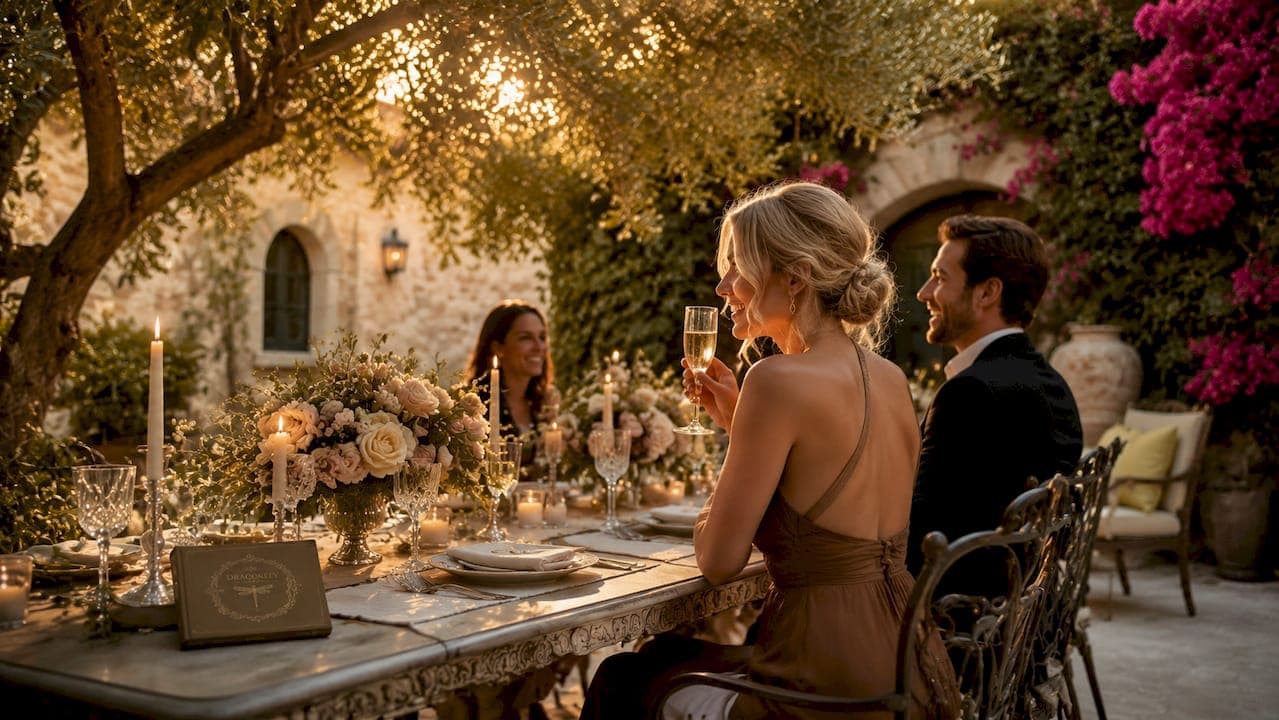
Intimate destination ceremonies are defined as exclusive, small-scale wedding celebrations held in a chosen location abroad, typically with a guest list of under 50 people. The format prioritises personal connection over spectacle, and that distinction changes everything about how a wedding feels. Couples who choose this path consistently report that the experience is richer, calmer, and more emotionally resonant than a traditional large-scale event. Dragonfly Dream Weddings has observed this shift directly, working with couples who want a celebration that reflects who they actually are, not simply what a wedding is supposed to look like.
1. What are the best examples of intimate destination ceremonies?
The strongest examples of intimate destination ceremonies share one quality: the setting and the celebration feel inseparable. The venue is not a backdrop. It is part of the story.
-
Garden and villa ceremonies. A private villa with manicured gardens gives couples exclusive use of a beautiful space without competing with other events. The ceremony, cocktails, and dinner all flow within the same grounds, removing the need for guest transportation entirely. Single spaces eliminate dead time and preserve the emotional thread of the day.
-
Boutique hotel ceremonies. Smaller hotels rented exclusively for a wedding weekend offer bespoke service that large resorts cannot match. Staff focus entirely on one group, which raises the quality of every interaction. Exclusive use ensures personalised attention throughout.
-
Symbolic weddings in iconic locations. A symbolic ceremony in Positano with only eight guests included villa preparations, an emotional ceremony, local photography, and a relaxed lunch reception. That format, deeply personalise built around place and feeling, represents the format at its purest.
-
Multi-day weekend celebrations. Three-day packages that combine a welcome event, ceremony, and farewell brunch create a cohesive experience rather than a single high-pressure day. Guests arrive, settle in, and genuinely connect before the ceremony even begins.
Pro Tip: Book a venue that handles ceremony, dining, and accommodation on one property. The absence of coach transfers and timed departures is one of the most underrated gifts you can give your guests.
2. Key features that define successful intimate destination ceremonies
The most successful intimate ceremonies are not simply smaller versions of large weddings. They are designed from the ground up around a different set of priorities.
-
Exclusive venue use When a venue hosts only your group, staff attention is undivided. There are no competing events, no shared spaces, and no strangers walking through your ceremony. This is the defining feature of luxury intimate weddings.
-
Golden hour timing. Photographers and planners consistently highlight ceremony timing as one of the most powerful tools available. A ceremony that begins 90 minutes before sunset benefits from warm, flattering light and a natural emotional arc as the sky changes.
-
Integrated lodging and event spaces. When guests sleep where they celebrate, the experience becomes immersive. Morning coffee, evening swimming, and the ceremony itself all happen within the same environment. That continuity builds a shared memory that a single-day event cannot replicate.
-
Personalised ceremony design. Small guest lists make genuine personalisation possible. Seating arrangements, vow structures, readings, and décor can all reflect the couple’s actual relationship rather than a generic template.
-
Intentional flow. Micro Weddings succeed because every moment is purposeful. There is no filler, no waiting, and no sense that the day is running away from you.
Pro Tip: Plan your ceremony order of service as if every transition is a scene in a film. The pause after the vows, the walk to dinner, the first toast. Each moment deserves its own space.
3. How intimate ceremony examples vary by location
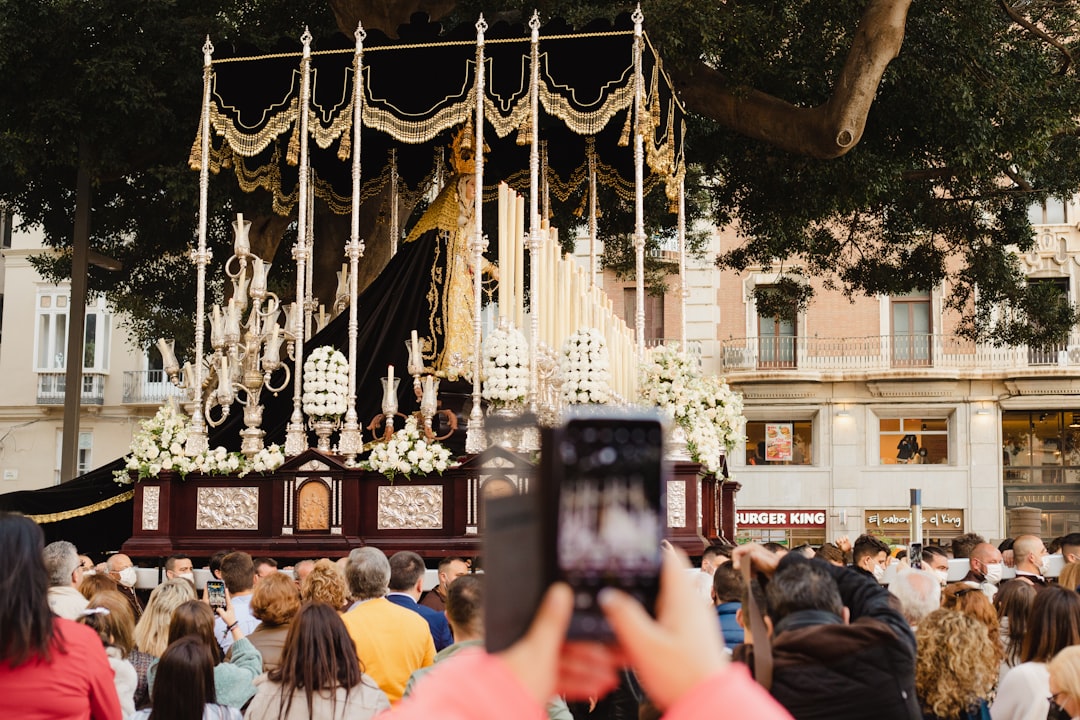
4. Planning tips drawn from destination ceremony examples
The couples who plan the most successful intimate destination ceremonies share a consistent approach. They make fewer decisions, but they make each one count.
-
Choose a venue with exclusive or limited-capacity bookings. A venue that accepts only one event at a time is not a compromise. It is the foundation of the entire experience. Ask directly whether other events will be held on your dates.
-
Prioritise venues where lodging and celebration are in the same place. Integrated accommodation removes the single biggest source of logistical stress in destination weddings. Guests who stay together, celebrate together, and wake up together form connections that outlast the event itself.
-
Time your ceremony around natural light. Golden hour is not a photography cliché. It is a genuine atmospheric tool. A ceremony that ends at dusk, with dinner following under the stars, has a natural emotional rhythm that artificial lighting cannot replicate.
-
Work with a local specialist. A planner based in your destination understands supplier relationships, permit requirements, and regional timing in ways that a remote coordinator cannot. Dragonfly Dream Weddings, for example, guides couples through every stage from first enquiry to farewell brunch, removing the guesswork from planning a wedding in Spain.
-
Use a destination wedding checklist. A structured luxury wedding checklist keeps planning on track across the months before the event, particularly when coordinating suppliers across different countries.
-
Keep your guest list intentional. The shift toward micro-weddings is driven by a desire for deeper connection with each person present. Every guest at an intimate ceremony should be someone whose presence genuinely changes the atmosphere of the day.
-
Build in unscheduled time. The most memorable moments at intimate destination weddings are rarely the planned ones. A morning swim before the ceremony, an unplanned conversation over breakfast, a spontaneous toast. Leave space for these to happen.
Pro Tip: Ask your venue coordinator for a detailed run-of-day timeline at least six weeks before the event. Intimate ceremonies feel effortless because the logistics are invisible, not because they are absent.
A small wedding planning checklist is particularly useful for UK couples coordinating suppliers across borders, covering everything from legal documentation to guest travel logistics.
Key takeaways
Intimate destination ceremonies succeed when exclusivity, integrated lodging, and intentional timing combine to create a celebration that feels personal rather than performed.
| Point | Details |
|---|---|
| Exclusive venue use | Book a venue that hosts only your group to guarantee undivided staff attention and privacy. |
| Integrated accommodation | Venues where guests sleep and celebrate in the same space create deeper shared memories. |
| Golden hour timing | Scheduling the ceremony 90 minutes before sunset uses natural light as an atmospheric tool. |
| Intentional guest lists | Smaller guest lists allow genuine personalisation of every element, from seating to vows. |
| Local specialist planning | A destination-based planner removes logistical complexity and ensures regional expertise. |
The intimacy question nobody asks before booking
The question most couples forget to ask their venue is this: “Who else will be here?” Not in a suspicious sense. In a practical one. A venue that hosts three weddings on the same weekend, or opens its grounds to day visitors, fundamentally changes what your celebration can feel like. The physical space might be beautiful. But beauty shared with strangers is a different experience from beauty that belongs entirely to you for three days.
The couples who report the highest satisfaction with their destination ceremonies are not necessarily those who spent the most. They are the ones who chose presence over scale. A wedding with 20 people who are fully there, who know each other, who have shared a morning and an evening before the ceremony even begins, produces something that a 150-person event rarely achieves. That is not a romantic notion. It is a consistent pattern observed across the industry.
The trend toward meaningful, shared experiences in weddings reflects something genuine about what people actually want when they imagine their wedding day. Not a performance. A moment. The best intimate destination ceremonies are designed to protect that moment from the noise that surrounds it.
— Dragonfly Dream Weddings Editorial Team
Planning your intimate ceremony with Dragonfly Dream Weddings
Dragonfly Dream Weddings offers exclusive three-day wedding weekends at a private villa in Coín, Málaga, designed specifically for couples who want a complete celebration rather than a venue hire.
The property accommodates a small group of guests in full privacy, with beautiful gardens, a pool, and spaces for the ceremony, dinner, and entertainment all within the same grounds. Every detail, from the welcome evening to the farewell brunch, is planned and managed by an experienced on-site team. Couples who want to see the venue in person can book a private viewing or explore the full range of three-day wedding packages to understand exactly what is included.
FAQ
What counts as an intimate destination ceremony?
An intimate destination ceremony is a small-scale wedding held abroad, typically with fewer than 50 guests, where the setting, accommodation, and celebration are closely integrated. The format prioritises personal connection and exclusive use of the venue.
How far in advance should you book an intimate destination venue?
Most exclusive-use venues for intimate destination weddings book 12–18 months in advance, particularly for popular months such as may through october. Booking early also gives couples more time to coordinate guest travel and accommodation.
Are symbolic ceremonies legally binding?
A symbolic ceremony has no legal standing on its own. Couples who choose this format typically complete a civil or legal ceremony in their home country before or after the destination event, keeping the symbolic celebration entirely personal and unscripted.
What is the advantage of a multi-day wedding weekend?
Multi-day packages that combine a welcome event, ceremony, and farewell brunch give guests time to connect before the main celebration, reducing the pressure on the wedding day itself and creating a richer shared experience.
Do I need a local wedding planner for a destination ceremony?
A local planner with established supplier relationships and knowledge of regional permits is strongly recommended. They manage logistics that are difficult to coordinate remotely, from catering licences to ceremony timing, and their expertise directly affects how smoothly the day runs.