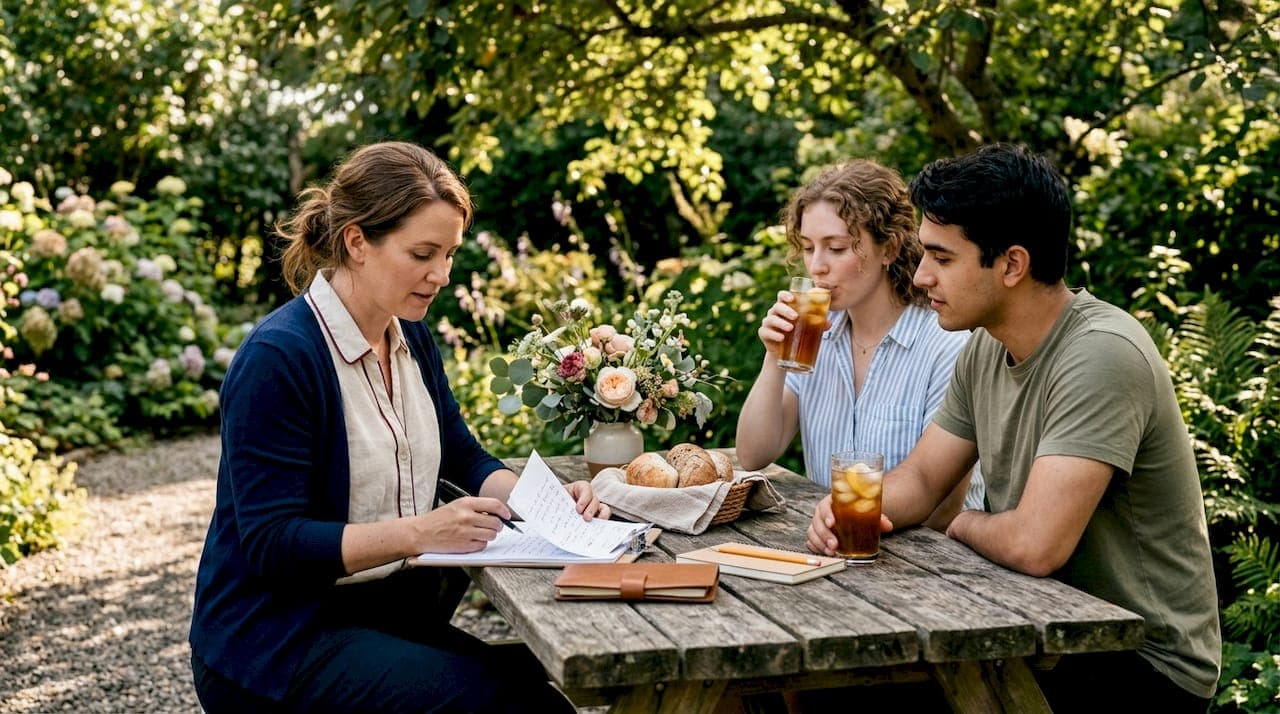
A wedding planning consultation is a structured meeting between a couple and a professional wedding planner, designed to clarify the couple's vision, assess planning needs, and establish a clear path forward before any formal agreement is signed. This session is the foundation of the entire planning process. A standard intake questionnaire covers approximately 20 questions across areas including guest count, venue preferences, and budget. That scope alone signals how much ground a single consultation covers. Dragonflydreamweddings, for example, uses this initial conversation to understand exactly what each couple wants from their destination wedding near Málaga before any planning begins.
What happens during a wedding planning consultation?
A wedding planner consultation follows a clear structure, even when it feels like a relaxed conversation. Planners use this time to gather the information they need to assess event complexity and recommend the right level of service. The format can be in-person, by video call, or by phone, depending on the planner and the couple's location.
The intake process
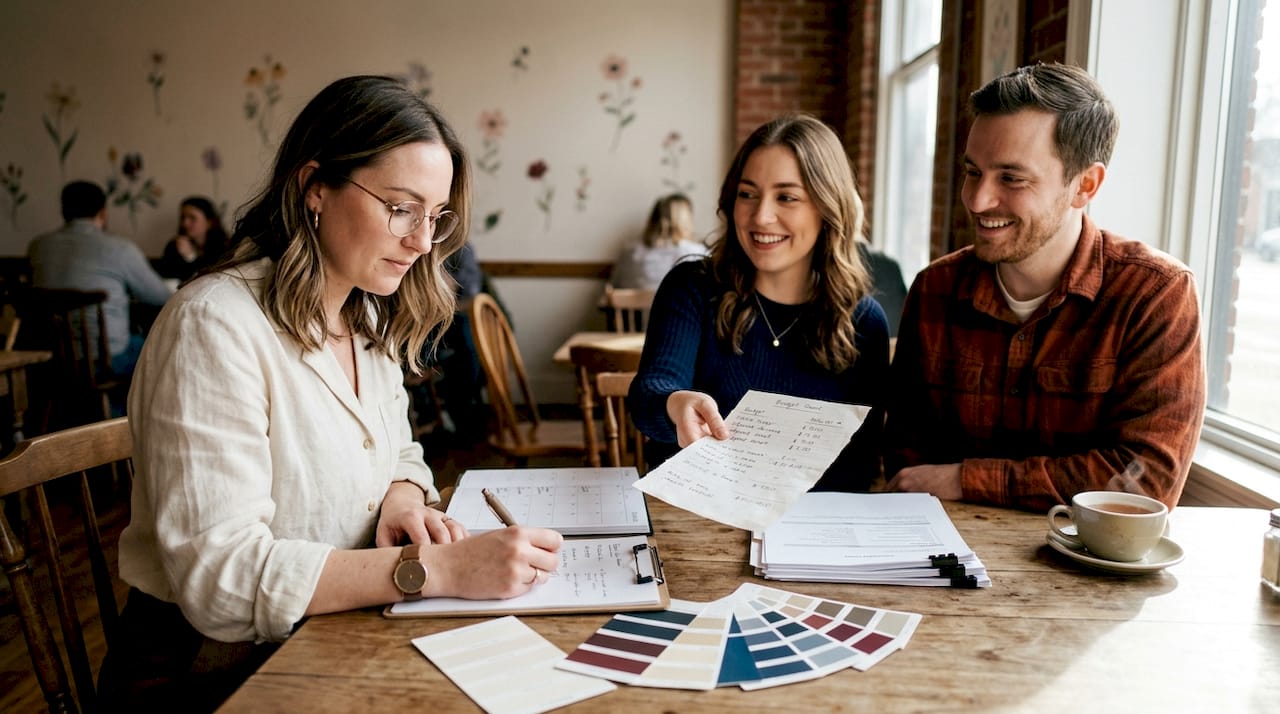
The session typically opens with a standard set of questions covering the basics: proposed wedding date, estimated guest count, preferred venue style, and overall budget range. These questions are not small talk. They tell the planner how complex the event will be and how much time and resource it will require. A detailed proposal follows the consultation, summarising services, pricing, and terms for the couple to review before signing anything.
What the planner is really assessing
Beyond logistics, planners pay close attention to how couples communicate and make decisions. Planners evaluate factors such as decision-making speed and conflict resolution style during the consultation. These behavioural signals directly influence how much time the planner will need to invest and, consequently, what the service will cost. A couple who needs extensive reassurance at every stage requires a different approach than one who is decisive and self-directed.
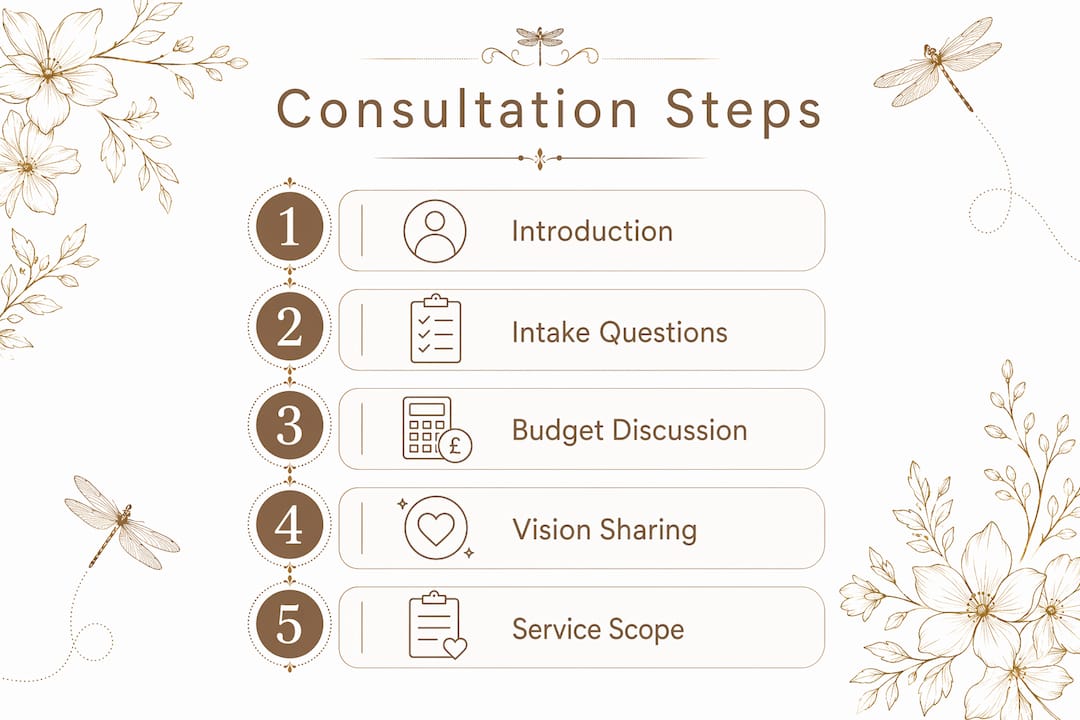
Here is what a typical consultation covers, in order:
- Vision and style — the overall look, feel, and atmosphere the couple wants to create.
- Guest list and venue — approximate numbers and any venue preferences or restrictions.
- Budget — a frank discussion of the total available budget and how to allocate it.
- Service tier — whether the couple needs full planning, partial planning, or day-of coordination.
- Vendor requirements — catering, photography, music, floristry, and any specialist suppliers.
- Timeline — key milestones from booking to the wedding day itself.
Pro Tip: Bring a rough budget figure to your first consultation, even if you are not certain of it. Planners can work with a range, but having no number at all makes it difficult to give you accurate advice.
What are the benefits of a wedding planning consultation?
A consultation delivers far more than a list of tasks. It gives couples clarity, confidence, and a realistic picture of what their wedding will actually involve.
"Expert consultation can shift couples from feeling uncertain to feeling clear and capable, by providing manageable planning steps and a defined roadmap." — Arbor and Bloom Events
The key benefits are:
- Vision alignment. Couples often arrive with a general idea but no clear priorities. A planner helps them identify what matters most and where they are willing to compromise.
- Realistic budgeting. An honest budget discussion is the most critical part of the consultation. It sets expectations and prevents costly misunderstandings later.
- Choosing the right service level. After the consultation, couples understand whether they need full planning, partial support, or simply someone to manage the day itself.
- Planner compatibility. The consultation is a two-way process. Couples are interviewing the planner just as much as the planner is assessing the event. Personality fit matters enormously over a planning period that can span more than a year.
- A clear planning roadmap. The consultation produces a structured next step, whether that is a formal proposal or a follow-up meeting. Couples leave knowing what happens next, which reduces stress significantly.
The consultation also protects both parties. Couples who understand the scope of services from the outset are far less likely to feel disappointed later. Planners who understand the couple's communication style can manage the relationship more effectively from the start.
How to prepare for your wedding planning consultation
Preparation is what separates a productive consultation from a vague conversation. Couples who arrive with clear information get far more useful advice.
Gather the following before your meeting:
- A budget range. You do not need an exact figure, but you need a realistic ceiling. The role of budget in shaping every other decision cannot be overstated.
- A rough guest list. Even an approximate number (30 guests versus 150 guests) changes the entire planning picture.
- Venue ideas or preferences. If you have a location in mind, bring it. If not, describe the atmosphere you want: outdoor, intimate, grand, rustic, or modern.
- A list of non-negotiables. Identify two or three things you absolutely will not compromise on. This helps the planner prioritise immediately.
- Questions for the planner. Treat this as an interview. Ask about their experience, their preferred vendors, and how they handle problems on the day.
Full-service wedding planning typically begins 9–18 months before the wedding, while partial planning usually starts 3–12 months out. Knowing which timeline applies to you helps you understand how urgently you need to book.
Pro Tip: Write your questions down before the meeting. Consultations move quickly, and it is easy to forget what you wanted to ask once the conversation gets going.
One detail couples often overlook: consultation fees cover professional assessment of your event, not wedding expenses. Knowing this in advance prevents confusion when the invoice arrives.
Common questions to ask during a wedding consultation
Arriving with prepared questions signals to the planner that you are serious and organised. It also gives you the information you need to make a confident decision about whether to proceed.
| Question category | Example question to ask |
|---|---|
| Experience and style | How many weddings of this size and style have you planned? |
| Budget and payment | What is included in your fee, and what payment schedule do you use? |
| Vendor relationships | Do you have preferred suppliers, and are we required to use them? |
| Timeline and coordination | How do you manage the schedule on the wedding day itself? |
| Conflict resolution | How do you handle disagreements between us and a supplier? |
| Contract and scope | What happens if we need to change the scope after signing? |
These questions reveal how a planner thinks, not just what they do. A planner who gives vague answers to the conflict resolution question, for instance, is telling you something important about how they will handle problems under pressure. The venue selection process is another area worth raising directly, particularly if you are considering a destination wedding where you cannot visit in person before booking.
Key takeaways
A wedding planning consultation is the single most important step before committing to a planner, because it defines the scope, budget, and working relationship for everything that follows.
| Point | Details |
|---|---|
| Consultation defines scope | The meeting establishes what service level you need and what the planner will deliver. |
| Budget talk is non-negotiable | An honest budget discussion at the outset prevents misunderstandings and guides all planning decisions. |
| Planners assess behaviour, not just logistics | Decision-making style and communication approach influence the cost and structure of your service. |
| Preparation improves outcomes | Couples who bring a budget range, guest estimate, and prepared questions get more useful advice. |
| A proposal follows the meeting | After the consultation, the planner sends a written proposal covering scope, pricing, and terms. |
What couples miss most in a first consultation
After working with couples planning destination weddings in Andalusia, the pattern I see most often is this: couples arrive focused entirely on aesthetics and leave without having had a real budget conversation. They have Pinterest boards and colour palettes, but no clear number. That gap causes problems every time.
The consultation is not a sales meeting. It is a diagnostic session. The planner is trying to understand your event well enough to price it accurately and manage it well. If you are not honest about your budget, the proposal you receive will not reflect reality, and the relationship starts on a false footing.
The second thing couples miss is the compatibility check. You will spend months, sometimes well over a year, working closely with this person. Their communication style, their availability, and their approach to problems matter as much as their portfolio. Ask how they prefer to communicate. Ask what happens when something goes wrong. The answers tell you far more than a list of past clients.
A good consultation leaves both parties feeling clear. If you walk out uncertain about what happens next, ask for clarification before you leave. That instinct to seek clarity is exactly what good wedding planning requires.
— Dragonfly
Planning your wedding with Dragonflydreamweddings
Dragonflydreamweddings offers couples a personal consultation as the starting point for every wedding at The Dragonfly Retreat near Málaga. The venue accommodates up to 60 guests and provides exclusive use of a stunning Andalusian property, with lodging for up to 18 guests on site.
The consultation process at Dragonflydreamweddings covers everything from venue layout and catering to accommodation and the full wedding day schedule. Couples can explore three-day wedding packages that include planning support from Ms King, the venue's dedicated wedding planner. For couples who want to see the space before committing, the venue gallery gives a clear picture of what an Andalusian destination wedding looks like in practice. To begin your consultation, visit Dragonflydreamweddings and get in touch directly.
FAQ
What is a wedding planning consultation?
A wedding planning consultation is a structured meeting between a couple and a professional planner to discuss vision, budget, guest count, and service options. It produces a clear planning roadmap and typically leads to a formal written proposal.
How long does a wedding planner consultation last?
Most initial consultations last between 60 and 90 minutes, though this varies by planner and the complexity of the event.
Is a wedding planning consultation free?
Some planners offer a free initial consultation, while others charge a fee that covers their professional assessment of your event scope. Consultation fees are separate from wedding expenses and should be clarified before the meeting.
When should we book a wedding planning consultation?
Book as early as possible. Full-service planning typically begins 9–18 months before the wedding date, so the sooner you consult, the more options remain available.
What should we bring to a wedding planning consultation?
Bring a budget range, an approximate guest count, venue preferences, and a list of questions for the planner. Having this information ready makes the session significantly more productive and helps the planner give you accurate advice from the start. You can also review common planning questions in advance to arrive fully prepared.
Recommended
- FAQs 1 — Dragonfly Retreat Dream Weddings
- Wedding Planner in Spain – Ms King at The Dragonfly Retreat — Dragonfly Retreat Dream Weddings
- Three-Day Wedding Packages in Spain | Dragonfly Retreat — Dragonfly Retreat Dream Weddings
- Wedding Planner in Spain – Ms King at The Dragonfly Retreat — Dragonfly Retreat Dream Weddings