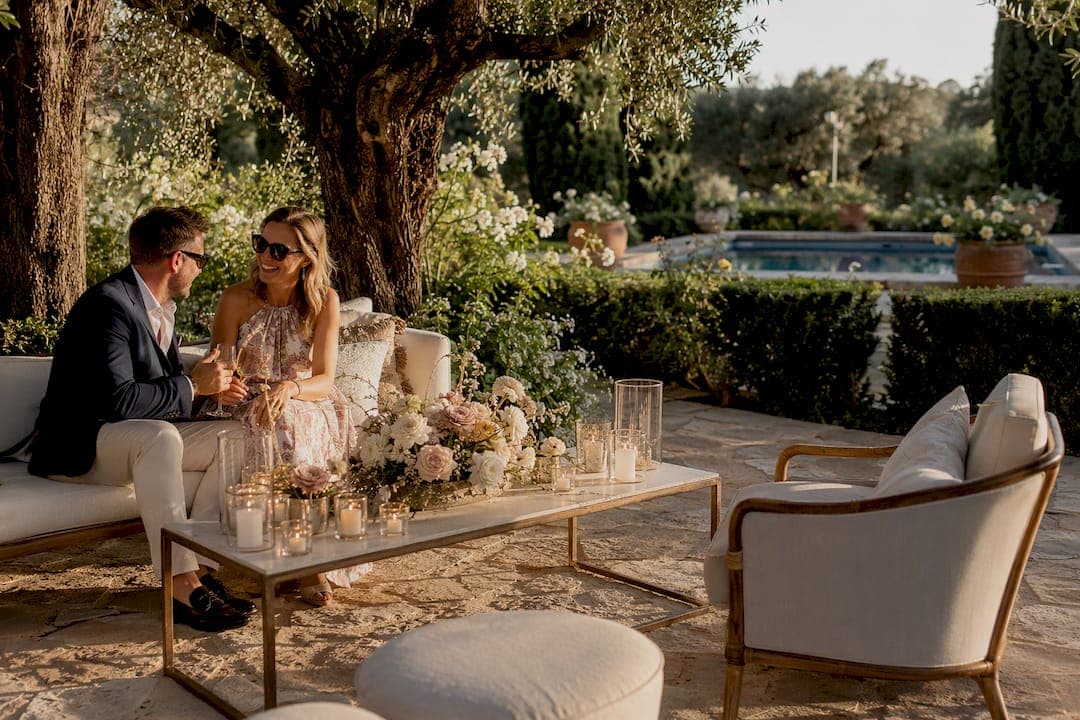
An exclusive, on-site three-day wedding weekend deepens bonds because it replaces one rushed evening with repeated, unhurried moments of shared life. Couples get poolside breakfasts, late-night conversations and a farewell brunch instead of a single toast between courses. Research into wedding services shows customer participation improves well-being through richer service experience, and that effect compounds over three days rather than three hours. At Dragonfly Dream Weddings, that principle shapes everything: boutique accommodation, the Rose Pool and the Mediterranean gardens all exist to keep everyone together, unhurried, for the entire weekend.
Key Takeaways
An exclusive, on-site three-day wedding weekend deepens bonds because repeated shared moments, social support and guided customer participation together improve well-being far more than a single evening can.
| Point | Details |
|---|---|
| Verdict is evidence-backed | Wedding service research links participation and social support to stronger well-being outcomes over multiple days. |
| Structure participation, don't overload it | Offer optional activities like a welcome dinner or pool afternoon rather than open-ended guest freedom. |
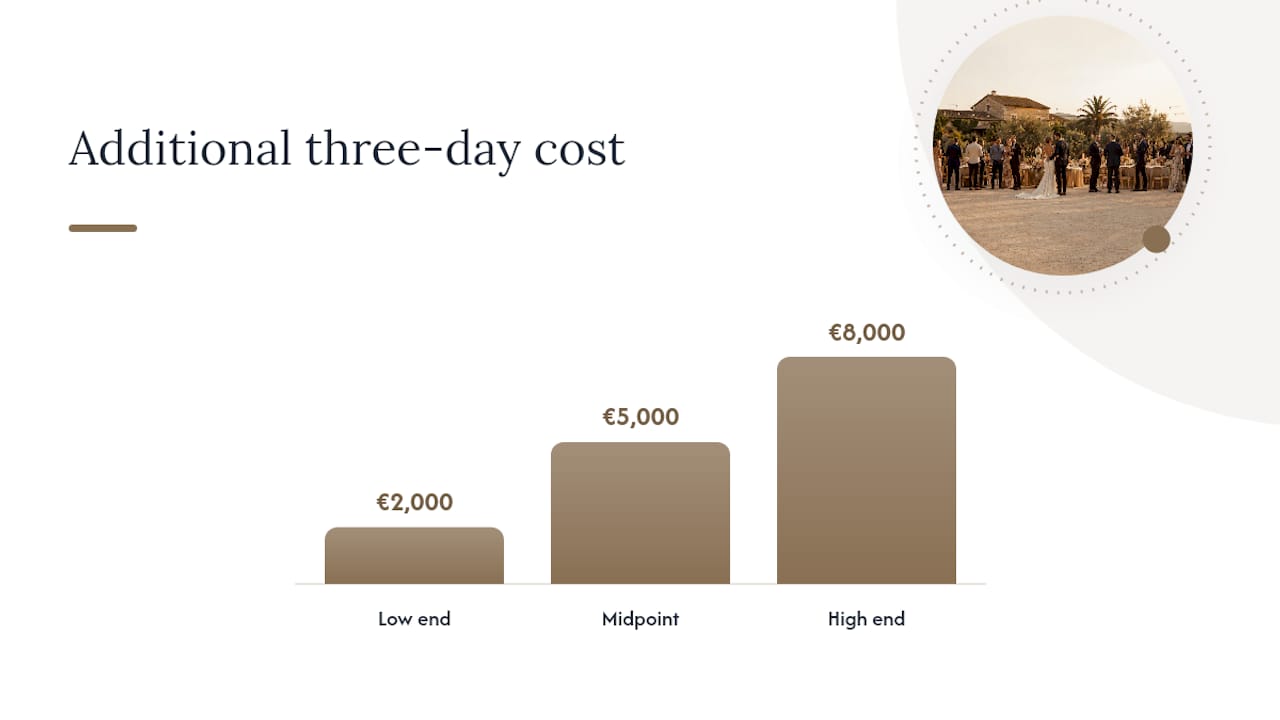
| Budget realistically | Extending to three days typically adds €2,000 to €8,000, according to destination wedding industry data. |
| Ask precise venue questions | Confirm exclusivity, on-site capacity, transport and catering flexibility before booking. |
| Dragonfly Dream Weddings fits the brief | Boutique accommodation for up to 20 guests, nearby rooms for up to 100, the Rose Pool and Mediterranean gardens deliver the format this guide describes. |
Table of Contents
- How staying together strengthens relationships: mechanisms and research
- What are the real benefits of an on-site three-day wedding weekend?
- What does a sample three-day wedding weekend itinerary look like?
- What should you ask a venue before booking a three-day wedding weekend?
- How Dragonfly Dream Weddings delivers the exclusive three-day experience
- Sources
- FAQ
How staying together strengthens relationships: mechanisms and research
The mechanism is simple, even if the emotional effect feels anything but. A single wedding day gives guests one high-pressure window to connect. A three-day weekend gives them a dozen low-pressure ones instead, and low-stakes repetition is what actually builds familiarity between people who might otherwise exchange a handshake and a canapé.
Several forces are at work when a couple and their guests share a venue for three days rather than meeting for one evening:
- Repeated, low-stakes interaction replaces one high-pressure event with many relaxed ones, from shared breakfasts to evening walks.
- Shared ritual and narrative give the weekend a story arc, so guests remember a journey rather than a single night.
- Social support lets guests lean on each other through unfamiliar surroundings, travel fatigue or nerves, rather than facing the day alone.
- Removed commuting friction means no one is driving home at midnight or checking a taxi app mid-conversation.
- Customer participation in service design (choosing activities, joining a group meal, helping plan a toast) measurably lifts guest experience.
The strongest evidence for this comes from service research surveying wedding guests (n=623) and tourism participants (n=520) together. It found that customer participation improved well-being via the quality of service experience, and that social support strengthened this effect specifically within wedding settings. Interestingly, too much guest empowerment, too many decisions dumped on attendees, actually weakened the experience.
Pro Tip: Give guests a handful of optional ways to get involved, a group excursion, a poolside game, a shared toast, rather than open-ended freedom. Structured participation builds connection; unstructured choice creates decision fatigue.
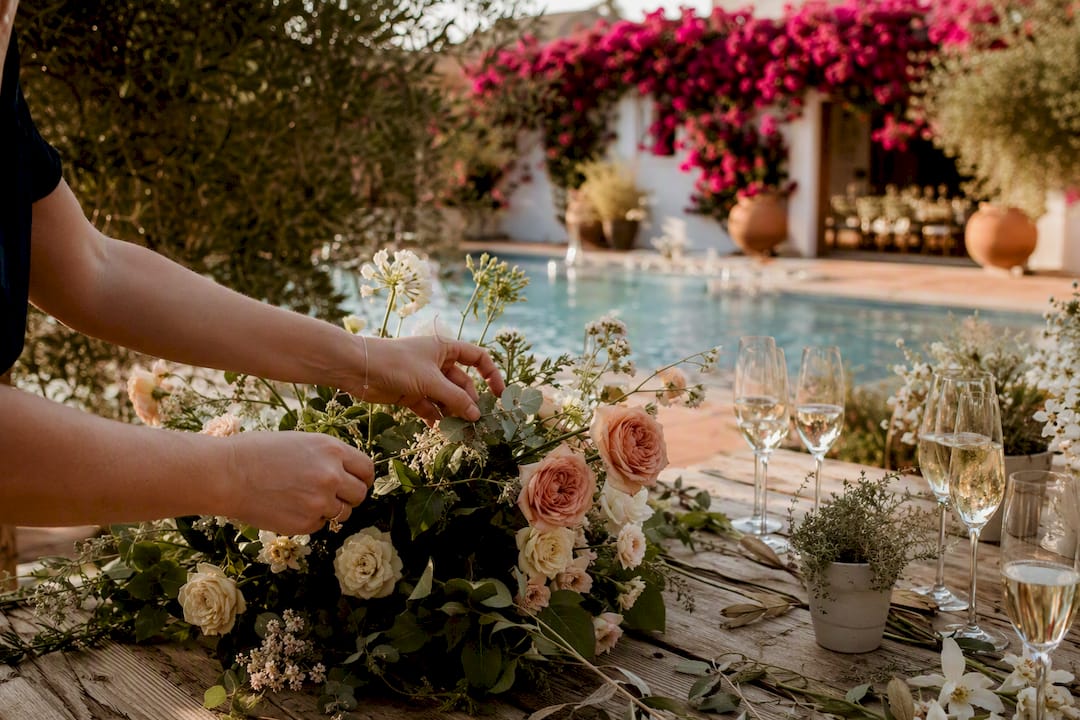
That's the practical takeaway: let people opt into shared moments, but keep the professional planning and pacing firmly in hand.
What are the real benefits of an on-site three-day wedding weekend?
The mechanisms above translate into outcomes couples actually notice, on the day and in the months afterwards.
For the couple, the emotional gains are immediate. A welcome dinner on the first evening means you have already relaxed with your closest guests before the ceremony even begins, so the wedding day itself feels calmer rather than like a debut performance. Poolside conversations on day two happen naturally, without the clock-watching of a single-day timetable. A farewell brunch on the final morning gives you one last, unhurried goodbye instead of a rushed exit while suppliers pack down the marquee. Smaller, contained ceremonies are linked to greater emotional clarity, and a three-day format naturally reinforces that intimacy by keeping the group together throughout.
The practical benefits matter just as much:
- Simplified logistics, since guests check in once and stay put rather than shuttling between hotels and venues.
- Transport savings, with fewer taxis, transfers and parking headaches across the weekend.
- Group accommodation rates, which can offset some of the added cost of extending the celebration.
- Richer photography, capturing the arc of a weekend rather than a single evening's highlights, exactly the kind of layered, in-between-moments narrative that photographers say elevates a wedding album.
Planner Augusta Cole makes a related point about the design freedom multi-day formats unlock.
Exclusive-use weekends give couples the freedom to design a schedule around their own priorities rather than a traditional wedding flow, which helps them stay present and actually enjoy the celebration instead of feeling rushed through it.
That freedom, choosing when to gather and when to let people wander off for a nap or a swim, is difficult to replicate in a single afternoon.
What does a sample three-day wedding weekend itinerary look like?
A well-paced weekend balances togetherness with breathing room. Nobody wants forty-eight hours of forced socialising, and nobody wants a wedding that feels like three disconnected events either. Here's a structure that tends to work:
- Day one, arrival and welcome. Guests settle into their rooms during the afternoon, followed by a relaxed welcome dinner in the gardens that lets everyone meet before the main event.
- Day two, ceremony and celebration. The wedding itself unfolds at a comfortable pace, ceremony, reception, dancing, with the whole group already familiar with the setting and each other.
- Day three, farewell brunch. A slower morning gathering gives couples and guests a natural, unhurried close rather than an abrupt departure.
Around that core structure, optional activities give guests something to do without obligating anyone:
- A guided walk through the surrounding countryside for early risers.
- A shared cooking session or tasting for guests who enjoy hands-on activities.
- A pool party on the afternoon between ceremony and dinner.
- Small group games or lawn activities for mixed-age guest lists.
Timing matters more than the activities themselves. Protect at least one block of true couple privacy each day, an hour with no schedule, no photographer, no guests, so the weekend still feels personal rather than performative.
Pro Tip: Choose low-effort, scalable activities like a poolside afternoon or a casual welcome dinner over anything that demands active participation from every guest. Older relatives and young children bond just as easily by simply being present as by joining a structured activity. Details like this are covered further in a luxury wedding weekend itinerary guide, and hospitality specialists offer useful thinking on designing guest experience more broadly.
What should you ask a venue before booking a three-day wedding weekend?
Not every venue can deliver a genuine three-day experience, some simply rent out a room for an evening and call it a package. Ask direct questions before you commit:
- Is the venue fully exclusive for the entire weekend, or shared with other events?
- How many guests can stay on-site, and what happens once you exceed that number?
- What transport is arranged between accommodation, ceremony space and any off-site activities?
- How flexible is the catering across three days, breakfasts, casual lunches, a formal dinner and a farewell brunch?
- What is the noise and curfew policy for evening celebrations?
- Is there straightforward access to medical support or childcare if needed?
Watch for warning signs during those conversations. Vague answers about privacy, no clear plan for guest transport, unclear rules about who sleeps where, or no proper group dining option, all suggest a venue built for single-day weddings trying to stretch into something it wasn't designed for.
On cost and timing, multi-day formats are now common enough to budget around confidently. One destination wedding guide reports that over 65% of destination wedding couples now extend beyond a single day, with a three-day welcome-dinner-to-farewell-brunch format typically adding around €2,000 to €8,000 to the overall budget. Group room blocks and exclusive-use hire tend to make the strongest financial sense once your guest list passes roughly 30 to 40 people, since the per-head accommodation saving starts to outweigh the premium for private use.
A planner's brief note
In my experience advising couples, this format works because it removes the clock. Couples who choose a three-day weekend are rarely chasing spectacle, they're chasing time together.
How Dragonfly Dream Weddings delivers the exclusive three-day experience
Dragonfly Dream Weddings was built around exactly this idea: a wedding weekend where nobody has to leave. Boutique on-site accommodation sleeps up to 20 guests within the private Andalusian countryside setting near Coín, with additional rooms just minutes away extending the celebration to up to 100 guests without breaking the sense of togetherness.
The Rose Pool and Mediterranean gardens give couples the kind of relaxed, in-between spaces this article has described, the poolside chat, the garden stroll, that a single-evening venue simply cannot offer. Dragonfly Hall provides the indoor heart of the celebration, with the whole property held exclusively for one wedding at a time. If this itinerary style feels right for you, the three-day wedding packages page sets out what's included, and the private viewing experience lets you walk the grounds before you commit. The venue's FAQ page answers most practical questions about capacity, catering and logistics, worth a browse before you book a call.
Sources
- Transformative service research paper (service participation, experience and well‑being) — Emerald
- Multi‑day destination wedding: the complete wedding week guide — Wedding Abroad
- Crafting an intentional, multi‑day destination wedding weekend — Audrey Darke
FAQ
Does staying together really strengthen wedding bonds?
Yes. Research into wedding service experience shows that participation and social support across a shared event measurably improve well-being, and that effect grows the longer guests spend together.
How long should an exclusive wedding weekend last?
Three days, a welcome dinner, the ceremony and celebration, then a farewell brunch, is the format most destination wedding guides recommend as the balance between connection and guest time off work.
How much does a three-day wedding weekend typically cost compared with one day?
Extending a destination wedding to three days typically adds around €2,000 to €8,000 to the overall budget, according to destination wedding industry data.
How many guests can stay on-site at Dragonfly Dream Weddings?
Boutique accommodation on-site sleeps up to 20 guests, with additional nearby accommodation extending total wedding capacity to up to 100 guests.
What if some guests prefer privacy over group activities?
Keep activities optional rather than compulsory. Structured, low-effort options like a poolside afternoon let guests join in as much or as little as they like, without pressure.